Guides, Articles, and Educational Content for UV-Vis Spectrophotometry
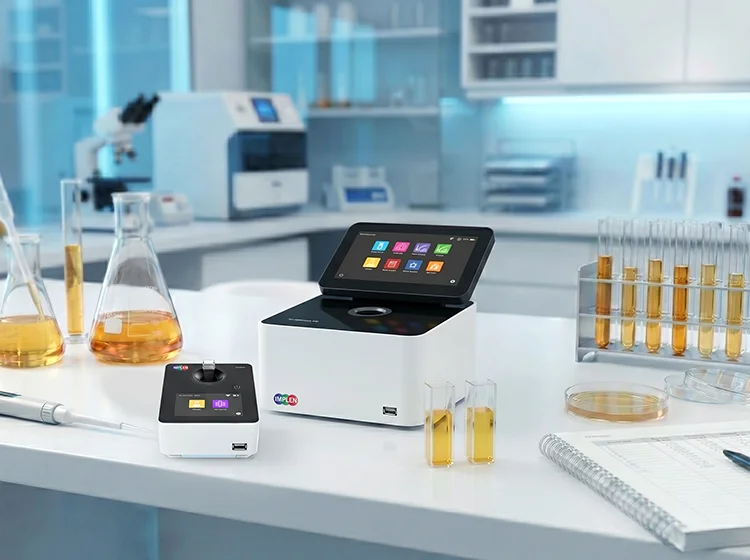
Explore a growing collection of UV-Vis spectroscopy resources designed to help researchers better understand spectrophotometry techniques and applications. This page brings together educational articles, practical guides, and videos covering key topics such as nucleic acid purity ratios, protein quantification, optical density measurements, and best practices for UV-Vis spectrophotometers.
Whether you are learning the fundamentals of spectroscopy or looking to optimize your lab workflows, these resources provide clear explanations and real-world insights used by scientists in molecular biology, biotechnology, pharmaceutical research, and analytical laboratories worldwide.
Reliable quality control depends on fast, trustworthy data. UV/Vis spectroscopy helps laboratories verify purity, consistency, and concentration throughout biological and chemical workflows.
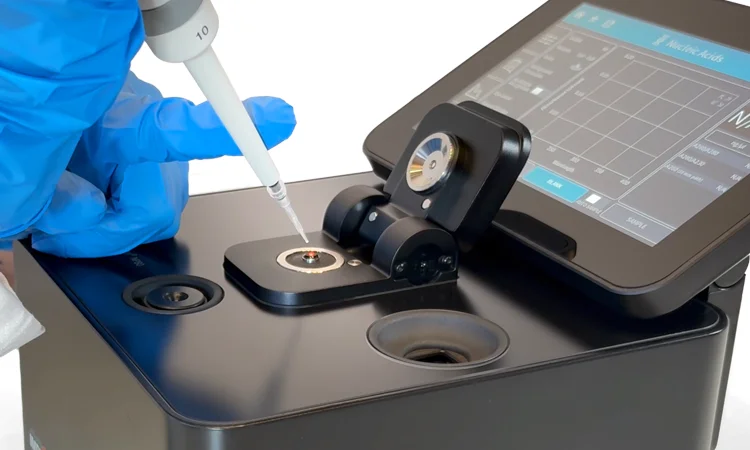
Learn how UV-Vis spectrophotometers measure nucleic acids, proteins, and other biomolecules using light absorbance. This guide explains the principles of UV-Vis spectroscopy and how modern instruments support accurate, fast analysis in research and quality control laboratories.
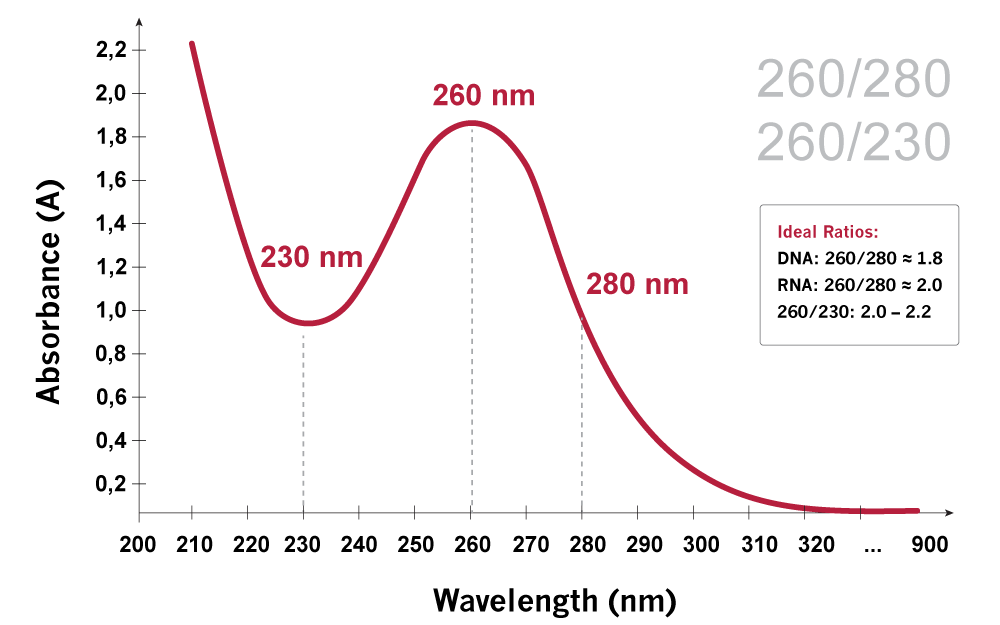
Understand what the 260/280 and 260/230 ratios reveal about nucleic acid purity and sample contamination. This resource explains how to interpret these values and how UV-Vis spectrophotometers help ensure reliable DNA and RNA quantification.
Discover why proper blanking is the foundation of reliable UV/Vis spectroscopy measurements. This resource explains how background correction works, common causes of inaccurate blanks, and practical techniques for achieving stable, trustworthy nucleic acid and protein quantification results.
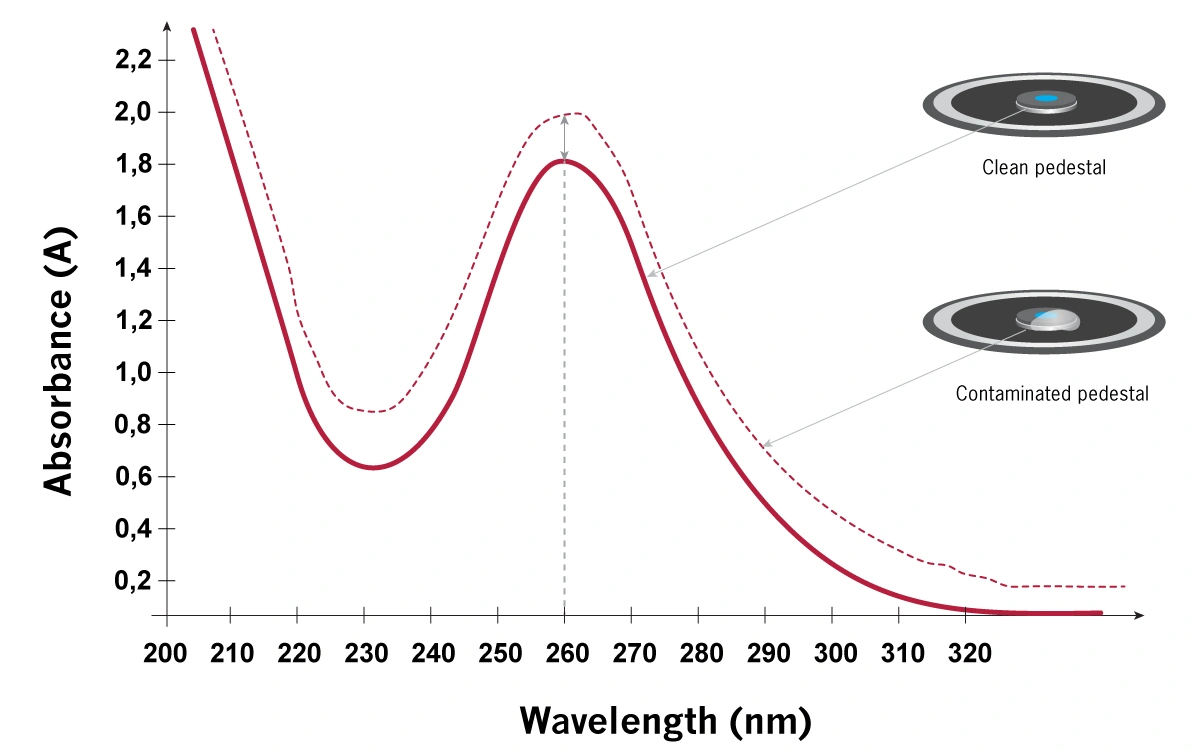
Learn essential cleaning techniques that help maintain accurate spectroscopy performance and reduce sample carryover between measurements. From nucleic acid and protein samples to dyes and solvents, this guide covers effective maintenance practices that support consistent, reproducible data.
Accurate DNA and RNA measurements require more than simply loading a sample. This resource outlines practical strategies for instrument preparation, blank validation, sample handling, and purity analysis to improve confidence in downstream workflows like NGS, qPCR, and cloning.
Understanding a protein’s extinction coefficient is essential for accurate UV280 concentration measurements, as it determines how strongly a specific protein absorbs light based on its amino acid composition. This article explains how to calculate extinction coefficients from protein sequences and apply the Beer-Lambert law to obtain reliable protein concentration data.
Explore key considerations for obtaining dependable UV280 protein and antibody measurements, including buffer compatibility, surface cleaning, bubble prevention, and troubleshooting common warning messages. The guide also explains when alternative assay methods may be more appropriate.
OD600 is a fast, non-destructive method for monitoring microbial growth, helping researchers track culture density, identify growth phases, and determine optimal timing for induction or harvest. This guide explains how OD600 measurements work, highlights factors that influence accuracy, and outlines best practices for generating reliable, reproducible growth data.
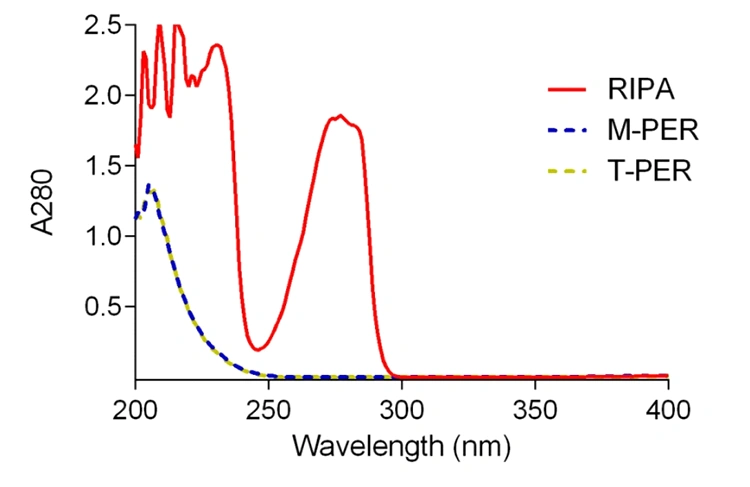
See how detergent-containing buffers like RIPA can interfere with direct UV280 protein analysis and compromise measurement accuracy. This overview highlights the underlying causes of variability and compares alternative extraction buffers that provide cleaner, more reproducible results.
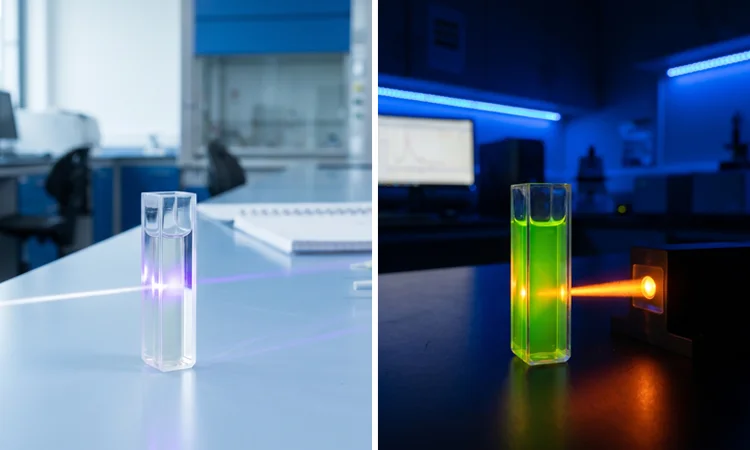
Compare two widely used nucleic acid quantification methods and understand where each approach performs best. This article breaks down the advantages of UV/Vis spectroscopy for routine concentration and purity analysis while explaining when fluorescence-based assays may offer additional value.
Understanding 21 CFR Part 11 is essential for laboratories operating in regulated environments where electronic records and signatures must be secure, traceable, and audit-ready. This resource explains the core principles of FDA compliance – including audit trails, user access controls, data integrity, and system validation – and highlights how compliance-focused software can help streamline regulatory workflows while maintaining trust in electronic data.
The Bradford assay is a reliable alternative to direct UV280 protein quantification, using a color-changing dye to measure total protein concentration even in complex samples where UV measurements may be affected by buffers or contaminants. This guide explains how the assay works, when it is the preferred choice, and how microvolume measurements can deliver accurate protein quantification while conserving valuable sample.
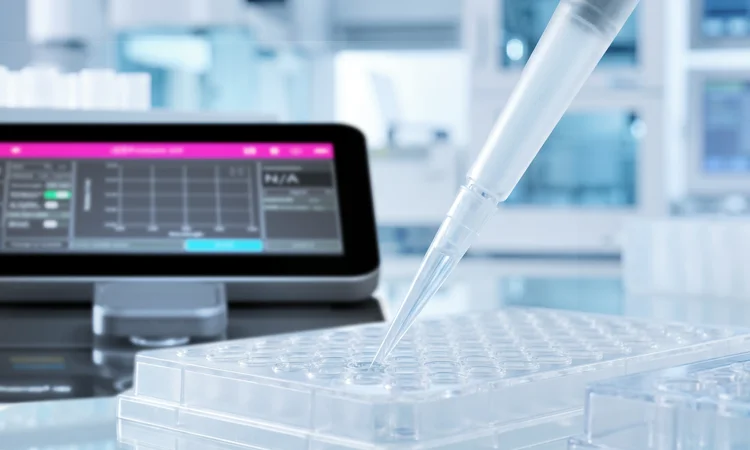
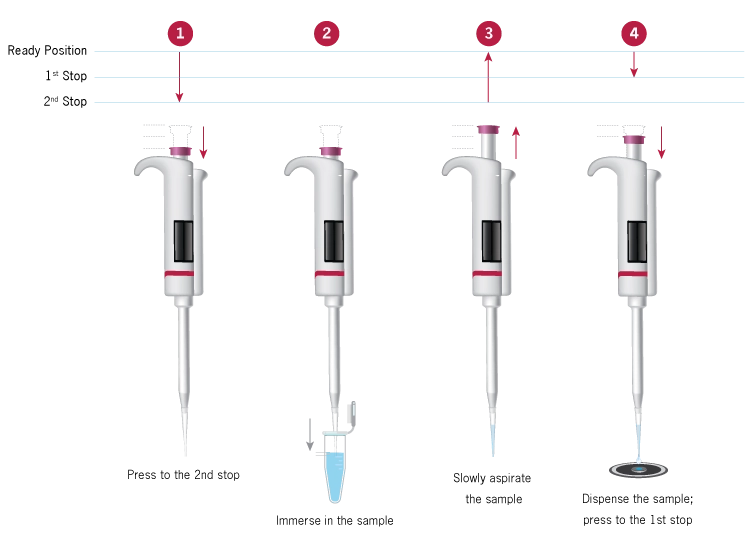
Choosing the right pipetting technique can improve accuracy, reduce bubbles, and protect sensitive measurement surfaces. This guide explains when to use forward or reverse pipetting, with practical steps for handling routine, volatile, viscous, or foam-prone samples.
Implen website places cookies on your computer to give you the best user experience. By using our website, you agree to the placement of these cookies. To learn more, read our Privacy Policy.